Showing posts with label how to celebrate. Show all posts

The Beginner's Guide to the Feast of Tabernacles

Image is a two-sided canopy made up of hay bales and cornstalks. There is an orange pumpkin in the foreground and others seen in the background. Text overlay reads: The Beginner's Guide to the Feast of Tabernacles | Land of Honey

Are you new to celebrating the Feast of Tabernacles and the other biblical holidays? Are you wondering why to take part in Tabernacles, when it is, what the Bible says about it, or who should celebrate it? This post will go over the details for you and make observing this time doable and spiritually meaningful as a believer in Messiah.

What you need to know about the Feast of Tabernacles:

-It is an eight-day holiday that typically happens in the early fall (in the northern hemisphere).

-The first and last days are considered Sabbaths, which means we shouldn't work on them.

-The Hebrew name for this holiday is Sukkot, which is the plural form of the Hebrew word for temporary dwelling or tent.

-Sukkot, the Feast of Booths, or even the Feast of Tents can be used interchangeably with Tabernacles.

-The Bible tells us we should rejoice at this time!

-The eight day of Tabernacles is considered very special. The New Testament calls it, "the last and greatest day." 

Spiritual significance of the Feast of Tabernacles:

-Sukkot is the time when we remember God's promise that he will dwell with us!

-The Bible tells us that we should participate in Tabernacles as a way to commemorate and remember that the Israelites lived in tents when God brought them out of Egypt.

-It is believed that the Messiah was born during the Feast of Tabernacles. Some scholars say that he wasn't born in a manger but rather a sukkah!

-Tabernacles comes up frequently in the Bible, as do mentions of sukkahs or booths - like when Peter suggests they could build booths to commemorate seeing Moses and Elijah with the Savior.

Image is a two-sided canopy made up of hay bales and cornstalks. There is an orange pumpkin in the foreground and others seen in the background. Text overlay reads: Spiritual Significance of the Feast of Tabernacles | Land of Honey


Where the Feast of Tabernacles is in Scripture: 

-Exodus 23:16

-Leviticus 23:34

-Deuteronomy 16:13-15

-Ezra 3:4

-Nehemiah 8:14-18

-Zechariah 14:16-20

-John 7     

These are direct mentions of Sukkot in the Bible. There are lots of other mentions of sukkahs and booths that hint indirectly at the Feast of Tabernacles. These appear everywhere from the Psalms to the birth of the Messiah to the book of Revelation. 

How to observe the Feast of Tabernacles:

-Take the first and last days off of work, errands, homework, and household chores. Honor YHWH with your full attention on these days. Work is permitted on the other days, but if possible you could cut back in order to have more time to enjoy this holiday.

-Come up with some sort of tabernacle. Some people go camping for the full duration of the holiday, others pitch a tent and sleep out in their backyard. Others travel, or put up some sort of sukkah or canopy in their yard or on a balcony to spend time in and eat meals in. Come up with a way to have a temporary dwelling during this time.

-Worship. Sukkot is about remembering what God has done and praising him for it. It's an opportunity to remember the miracles in the Bible - like his people surviving for forty years in the desert, but also to look back on where you have seen God at work in your life and community. 

-Bring joy. Since joy is a tenant of Tabernacles, be intentional about doing something to bring someone else joy. Make time to visit an elderly person, pay off a child's school lunch account, compliment a stranger, donate to a good cause. Find ways to bring joy this season.

-Gather with other believers, if possible. Attend congregation if that's an option or think about inviting friends and family over for Bible study, worship, or fellowship time.

-Provide for the homeless or displaced. Think about a service project you could do to remember those in need during this time. That could be volunteering at a homeless shelter, sponsoring an orphaned child, sending care packages to those in need, or sending money to a ministry that serves refugees. 

-Have a special meal outside. Good food is an easy way to add fun and festivity to any special occasion, so think about what you'd like to enjoy! If you're getting together with other believers, consider having a potluck. 

Image is a two-sided canopy made up of hay bales and cornstalks. There is an orange pumpkin in the foreground and others seen in the background. Text overlay reads: How to Observe and Celebrate the Feast of Tabernacles | Land of Honey


More about the Feast of Tabernacles:
What the Bible Says about Tabernacles
Scripture Reading for Sukkot
8 Days of Activities for the Feast of Tabernacles

How Churches Can Celebrate Passover, Unleavened Bread, and First Fruits

Image is an open Bible with palm leaves laying across it. Text overlay reads: How Churches Can Celebrate Passover, Unleavened Bread, and First Fruits | Land of Honey

Here are ways that churches, whether large or small, can celebrate the Biblical holidays of Passover, Unleavened Bread, and First Fruits. These activities work for individuals and families as well as youth groups.

At this time of year there are many church events that are focused on Easter. With a few small shifts, your church and community can start collectively taking part in the Biblical holidays - including the days that the Savior actually died (Passover) and rose from the grave (First Fruits - during the week of Unleavened Bread). Making this change will help people to better understand God's word, by having first hand experience with the celebrations it calls for. We will also honor the Creator by doing what he said!

Many of us have heard that taking part in the Biblical holidays is difficult or boring, but that's not the case! Scripture gives a few instructions (the largest of which is avoiding yeasted or raised breads during Unleavened Bread), but leaves plenty of room for creativity in our celebrations! Worship and the word are at the center of festivities but there are plenty of opportunities for connecting with others, playing games, and having a joyful time in this holiday season. 

If your church has worship nights, fellowship meals, or youth retreats on random days, you can certainly schedule things like that during the Biblical holidays as a way to worship God. Ditch the Easter bunny and celebrate the holidays that Jesus took part in!

How churches can observe Passover, Unleavened Bread, and First Fruits:

-Host a Passover meal. 

-Hand out recipes for unleavened bread.

-Have a class or demonstration on making unleavened bread - for adults or children! 

-Drive for a food pantry.  

-Children's recital or play. Choose songs related to the Messiah's resurrection, or Bible passages about the Exodus or Last Supper for them to act out.

-Worship night.

-Celebrate the Messiah's resurrection on First Fruits. Leave out the bunnies and eggs. 

-Make an Exodus themed escape room or obstacle course.

-Movie night.

-Fundraiser or drive to support refugees.  

-Prayer service.

-Fellowship meals during Unleavened Bread. 

Image is an open Bible with palm leaves laying across it. Text overlay reads: How Churches Can Celebrate Passover, Unleavened Bread, and First Fruits | Land of Honey


More posts about celebrating these holidays:
How to host a Passover Meal as a Believer in Messiah
The Beginner's Guide to the Feast of Unleavened Bread
Passover Crafts for Kids

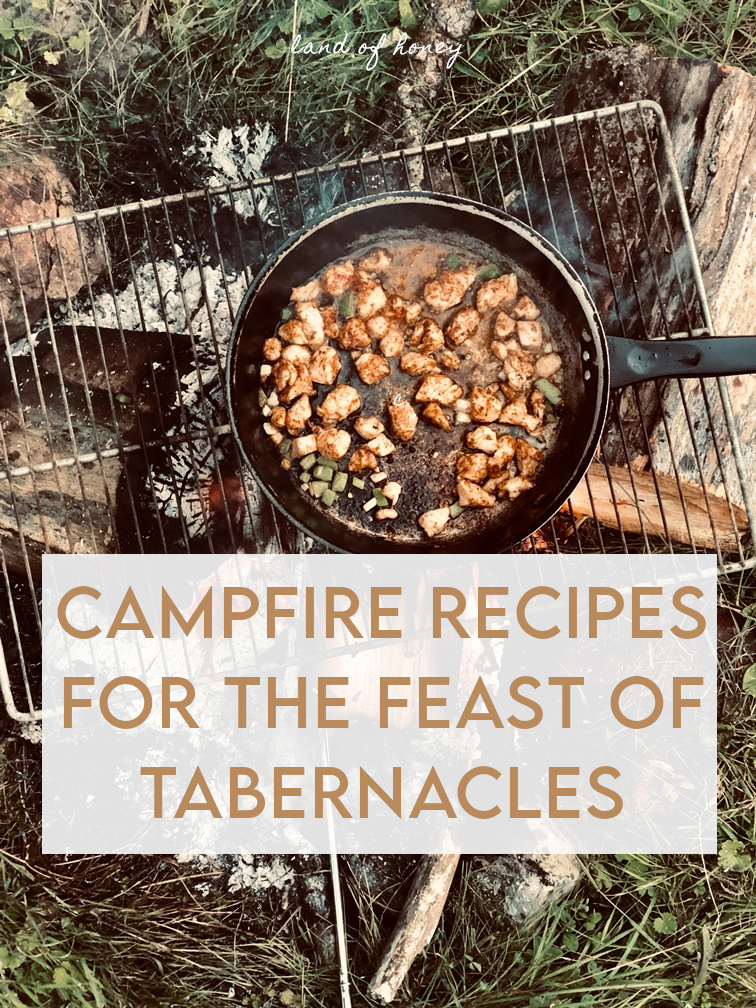
Campfire Recipes for the Feast of Tabernacles (Biblically Clean)

Campfire Recipes for the Feast of Tabernacles | Land of Honey

Looking for meal ideas for the Feast of Tabernacles? This post has lots of recipes to make for the Biblical holiday of Sukkot, and they can all be done over the campfire! Whether you're camping out for the full eight days, arranging a celebration with friends, or hanging out in your backyard, outdoor cooking captures some of the spirit of this holiday, and can make for a fun part of the celebration...as well as delicious!

While many campfire recipes are centered on pork, you won't find any pork, shellfish, or any other animals the Bible doesn't call food in these recipes. Everything shared here is Biblically clean, and the recipes include beef, chicken, and vegetarian options, as well as desserts and even how to make coffee over a campfire! While you could certainly choose to grill (or even use your stove or oven) during Tabernacles, all of these are prepared over a campfire.

Campfire recipes for Tabernacles:

Pie Iron French Toast from Homemade Heather

Pie Iron French Toast + Sukkot Campfire Recipes that are Biblically clean | Land of Honey

Campfire Coffee in a Percolator from Adventures of Mel

Campfire Coffee in a Percolator + Sukkot Campfire Recipes that are Biblically clean | Land of Honey

Campfire Pizza from Fresh Off the Grid

How to make pizza on a campfire - recipes for Sukkot | Land of Honey

Santa Fe Chicken Foil Packets from Spend with Pennies

Santa Fe Chicken Foil Packets - Campfire recipes for the Feast of Tabernacles | Land of Honey

Sweet and Spicy Breakfast Skillet from Fresh Off the Grid

Sweet and Spicy Breakfast Skillet - how to make eggs over a campfire - recipes for Sukkot and the Feast of Tabernacles  | Land of Honey

Dutch Oven Chili and Cornbread from Fresh Off the Grid

Dutch Oven Chili and Cornbread - made over the campfire - Feast of Tabernacles recipes for camping | Land of Honey

Classic Grilled Chicago Hot Dogs from Adventures of Mel

Classic Chicago Grilled Hot Dog (all beef) Campfire recipes for the Feast of Tabernacles | Land of Honey

Cherry Mountain Pie from Inspired by Charm

Cherry Mountain Pie - classic campfire cooking recipe for the Feast of Tabernacles | Land of Honey

Grilled Sweet Potato Fajitas from Fresh Off the Grid

Grilled sweet potato fajitas - camping recipes for Sukkot | Land of Honey

Hamburger and Potato Hobo Dinner from Spend with Pennies

Hamburger and Potato Hobo Dinner Packets - easy campfire dinner recipes - recipes for the Feast of Tabernacles | Land of Honey

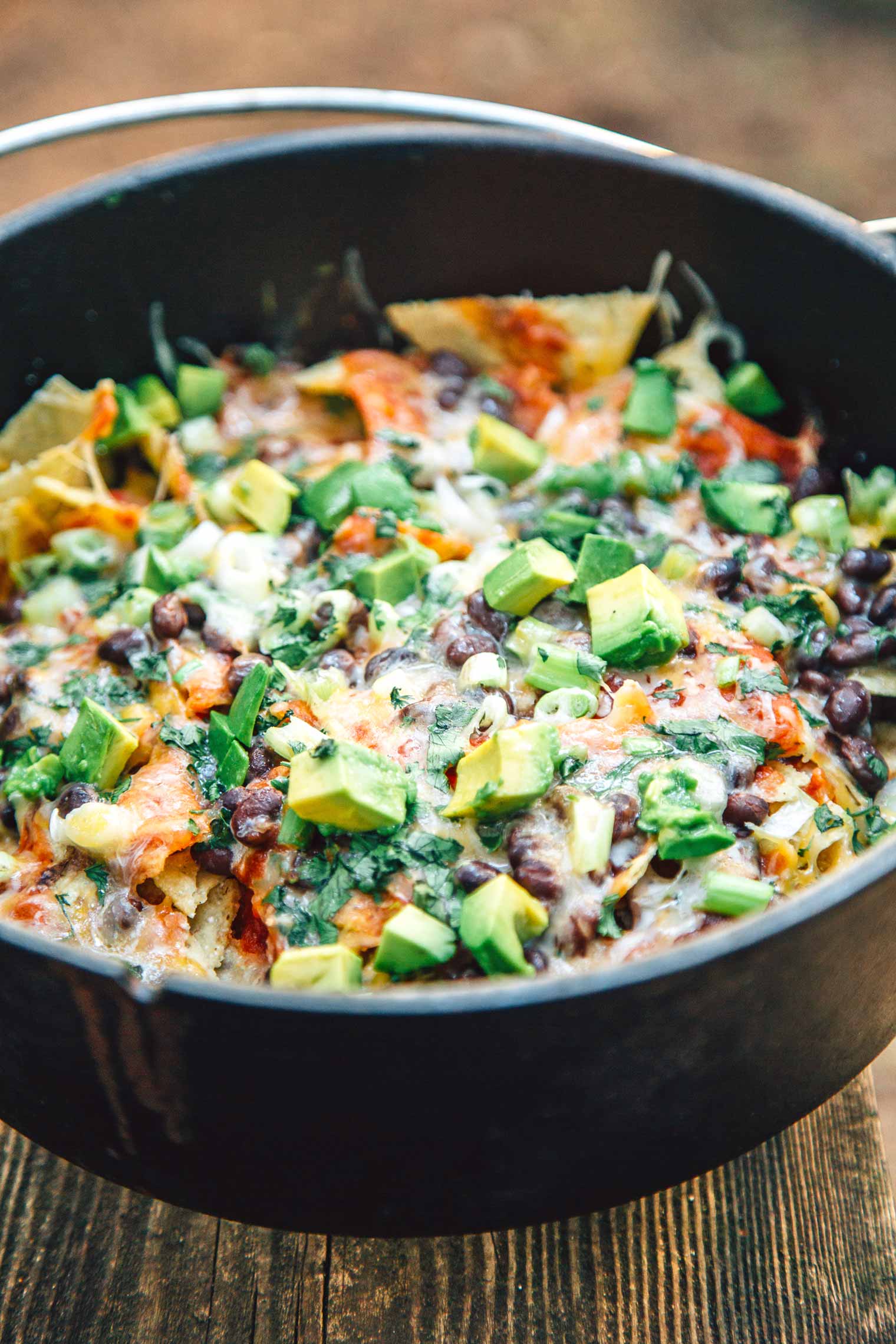
Campfire Nachos from Fresh Off the Grid

Campfire Nachos - easy camping recipes to make during the Feast of Tabernacles | Land of Honey

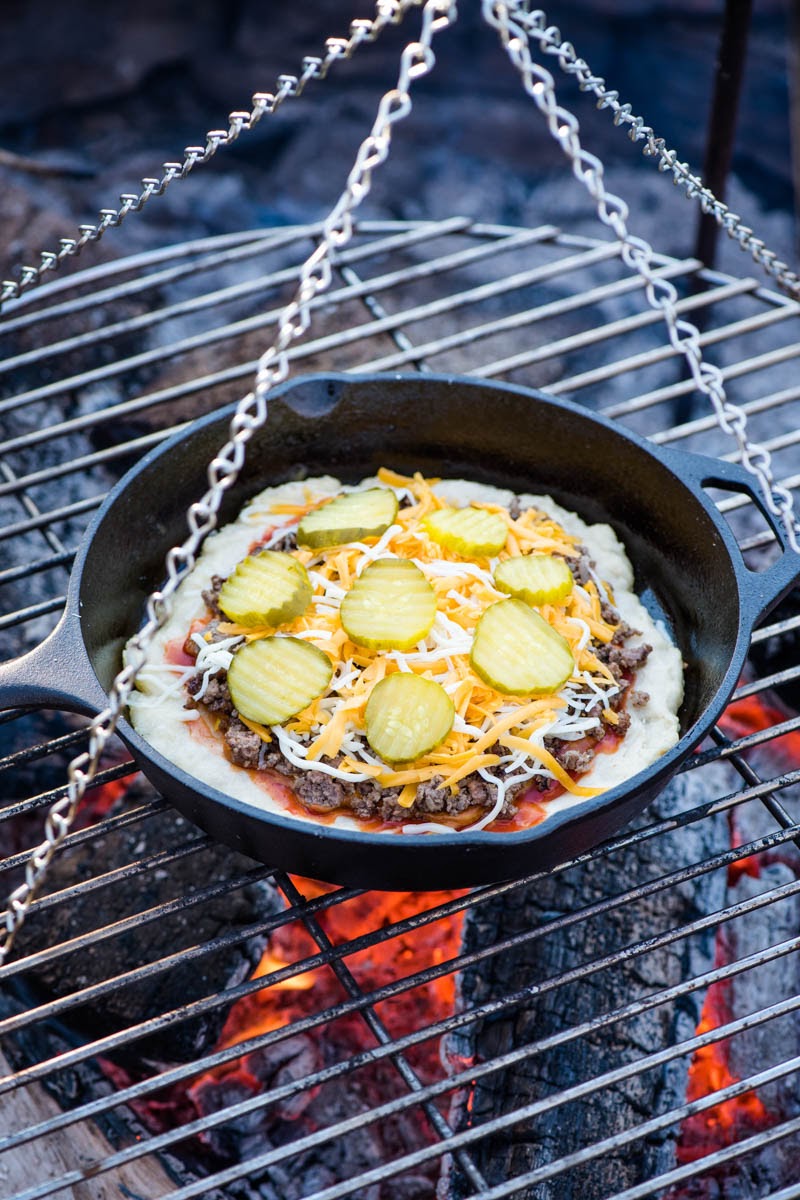
Hamburger Pizza on a Campfire from Adventures of Mel

All Beef Campfire Hamburger Pizza Recipe - meals to make outside on the fire during the Feast of Tabernacles | Land of Honey

Dutch Oven Enchiladas from Fresh Off the Grid

Dutch Oven Enchiladas over the campfire - recipes for Sukkot | Land of Honey

Vegan S'mores (Pork Free!) from Fresh Off the Grid

Biblically Clean S'mores - Feast of Tabernacles recipes to make over the campfire | Land of Honey

More on celebrating the Feast of Tabernacles:
Biblically Clean Marshmallows
Sukkot Scavenger Hunt Game
8 Things the Bible Says about the Feast of Tabernacles

Campfire Recipes for the Feast of Tabernacles | Land of Honey


Eight Days of Activities for the Feast of Tabernacles

Eight Days of Activities for the Feast of Tabernacles | Land of Honey


What are you supposed to do during the Feast of Tabernacles? How should you spend this set apart time? What are good activities for kids during Sukkot? 

I've put together some ideas of how you can make this week special for yourself and your kids and even a group or congregation. Please note that these are just ideas and not things you have to do. The holidays in the Bible are intended to be joyful times, and these are simply some suggestions if you're working to figure out how to make the holiday of Sukkot special for yourself or your family.

The first and last days of the Feast of Tabernacles are considered Sabbaths (even if they don't fall on the weekly Sabbath), and that means we are to refrain from ordinary work like our jobs, running our businesses, shopping, and household chores. If you are camping away from home, I would encourage you to set up and tear down your campsite on days that are not Sabbaths because pitching a tent, unpacking, etc. are not restful activities.

Eight days of activities for Sukkot:

Day 1  - Read the Bible. Read out loud passages from Scripture like Exodus 23:15-16, Leviticus 23:33-43, Deuteronomy 16:13-17, Ezra 3:4, Nehemiah 8:14-18, Zechariah 14:16-19, or John 7:1-44. These are verses that either give instructions for the Feast of Tabernacles or talk about them being kept. These can give you fresh inspiration for keeping this holiday, and in Deuteronomy 31:10-11 instructs that Biblical law is to be read during Sukkot.

Day 2 - Go to a farm and pick apples. Part of the celebration of the Feast of Tabernacles is that the Living God has provided an agricultural harvest to sustain His people throughout the coming months. Make a family or friends event of going apple picking to see for yourselves the abundance that He gives us! Any bounty that's brought back can be used for meals and snacks or festive decorations in your home or sukkah.

Day 3 - Have supper in the sukkah. Of course you can do this every day or even for every meal. If you don't have a sukkah set up, go for a picnic outside, or utilize a gazebo or shelter area at a park for your meal. Don't feel like the meal needs to be fancy - eating outside is what makes it special and memorable. One family I know has a tradition of inviting friends over for "Soup in the Sukkah" each year. Make it a potluck if others are joining you.

Day 4 - Go on the Sukkot scavenger hunt! This is a great activity for kids to burn some energy and learn the Bible a little better at the same time. You can play this in your own backyard or neighborhood or at a campground. The instructions can be found here.

Day 5 - Take photos! Why not take advantage of this beautiful time of year to take family pictures? Use lovely fall leaves as a background or an apple orchard, pumpkin patch, or your sukkah or campsite! If you can't swing a professional photographer or your family isn't celebrating, you should still be sure to snap some pictures of your activities throughout the holiday. These will help you to remember your experiences during the Feast of Tabernacles and help to establish this as a meaningful time.

Day 6 - Have a fire. Sukkot weather seems to be made for a roaring campfire, doesn't it? Whether you're home or away from home, sitting fireside with family and friends can be fun and relaxing. Adults have good opportunity for conversation and kids can play nearby. If you want to host an event for Tabernacles, this is a lowkey way to do it. Roast all beef hot dogs or Biblically clean marshmallows for easy food options.

Eight Days of Activities for Sukkot | Land of Honey

Day 7 - Study your Bible in a beautiful place. You can read Scripture anywhere, but deliberately going somewhere to spend time with the Creator can be so refreshing. A new place can also offer fresh insights on the word. Passages about mountains impact me in a different way if I am in my home versus in the Rocky Mountains. There's no wrong part of the Bible to study during any of the Biblical holidays but things the Messiah said during Sukkot and what the Bible says about the Feast of Tabernacles can be especially meaningful.

Day 8 - Have a white elephant gift exchange. This is a simple game that can be a lot of fun! If you're not familiar with a white elephant, it's a gift giving game where each person brings a wrapped present. Rather than designating the gift you bring for a specific person, numbers are drawn to see who picks a gift first, the next person has the option to 'steal' what someone else has already opened or pick a new gift. It has created many good laughs for our congregation over the years. White elephants are often done with gag gifts, but we opt for giving nice but inexpensive gifts. See this post for more directions and gift ideas.

Sukkot activities: -supper in the sukkah -go apple picking -study John 7 -have a campfire - take photos | Land of Honey


More ideas for the Feast of Tabernacles:
Sukkot Scriptures to Read
The Feast of Tabernacles: What it Means and Why You Should Celebrate It
Stargazing Party for Sukkot

The Beginner's Guide to the Feast of Trumpets

The Beginner's Guide to the Feast of Trumpets | Land of Honey

Taking part in the Creator's appointed time of the Feast of Trumpets is an option for you, even if it's not something you have ever done before! The Biblical holidays were given to all believers, regardless of ethnicity or nationality, and they are a joy to take part in. I believe that the Creator communicates much to us through these special times, and that our faith will grow by participating in them. Here's how to get started. 

What you need to know about the Feast of Trumpets:

-It is a one-day holiday that typically happens in very late summer or early fall (in the northern hemisphere).

-It is considered a Sabbath.

-The Hebrew name for this holiday is Yom Teruah and that can be used interchangeably. 

-Yom Teruah means something like, "Day of Sounding," or "Day of Shofar Blasts."

-Shofars are a horn used as a music instrument that are typically made out of a ram's horn. Modern English uses 'trumpets' in place of shofar.

-It is a day filled with joyful noise and verbal expressions of praise to YHWH.

Spiritual significance of the Feast of Trumpets:

-The Messiah is expected to return on the Feast of Trumpets. When he said that no one knew the day or the hour of his return, he was using that as an idiom to mean the Feast of Trumpets!

-Trumpets/shofars have sounded at many weighty historic moments in Scripture, including the Battle of Jericho, the giving of the Torah, the coronation of kings, and to announce the start of Jubilee years. See this post for more.

-Starting in Revelation 8, seven trumpets are sounded by messengers. Significant events of the last days happen in this passage, and the shofars of the Feast of Trumpets remind us to be prepared and serving YHWH when those trumpets are blasted.

Spiritual Significance of the Feast of Trumpets | Land of Honey


How to observe the Feast of Trumpets:

-Take the day off of work, errands, homework, and household chores. Since this holiday is considered a Sabbath, we aren't to do any work on it and treat it as we would the weekly Sabbath. Honor YHWH with your full attention on this day.

-Sound the trumpets. If you have a shofar, blast it on this day! Play praise music, sing to YHWH, or host or attend a worship night with live music.

-Gather with other believers, if possible. Attend congregation if that's an option or think about inviting friends and family over for Bible study, worship, or fellowship time.

-Have a special meal. Good food is an easy way to add fun and festivity to any special occasion, so think about what you'd like to enjoy! If you're getting together with other believers, consider having a potluck. 

-Remember! Leviticus 23 tells us that the Feast of Trumpets is to be a "remembrance of teruah." This is an opportunity to remember all the amazing things that YHWH caused to happen at the sound of a shofar. It is also a chance to recall and share how you have seen him at work in your own life.

How to observe the Feast of Trumpets:  -Take the day off of work, errands, homework, and household chores. Since this holiday is considered a Sabbath, we aren't to do any work on it and treat it as we would the weekly Sabbath. Honor YHWH with your full attention on this day.  -Sound the trumpets. If you have a shofar, blast it on this day! Play praise music, sing to YHWH, or host or attend a worship night with live music.  -Gather with other believers, if possible. Attend congregation if that's an option or think about inviting friends and family over for Bible study, worship, or fellowship time.  -Have a special meal. Good food is an easy way to add fun and festivity to any special occasion, so think about what you'd like to enjoy! If you're getting together with other believers, consider having a potluck.   -Remember! Leviticus 23 tells us that the Feast of Trumpets is to be a "remembrance of teruah." This is an opportunity to remember all the amazing things that YHWH caused to happen at the sound of a shofar. It is also a chance to recall and share how you have seen him at work in your own life. | Land of Honey


More about the Biblical holiday of the Feast of Trumpets:
The Meaning of Yom Teruah and Where We See it in Scripture
Yom Teruah Scripture Reading List
Smoothie Bowls for the Feast of Trumpets

Ways Churches Can Celebrate the Biblical Holidays

Ways Churches Can Celebrate the Biblical Holidays | Land of Honey

These are ways that churches large or small can celebrate the Biblical holidays that the Creator gave to all of his people to enjoy and learn from!

At this time of year I see so many churches having special events from backyard barbecues and apple dumpling fundraisers to worship nights and youth group retreats...why not take part in the Bible holidays by doing something like that during the special times of the Feast of Trumpets, Yom Kippur, and the Feast of Tabernacles?

Many of us have been told that in order to take part in the Biblical holidays you have to do animal sacrifices or that it's super boring, but that is absolutely not the case! While Scripture does give a few instructions for each holiday, there is plenty of room for creativity and there are different ways to enjoy the holidays that are Biblically appropriate. Because of that, you don't have to worry about 'looking Jewish' with your celebrations. The goal here is to put God's word into practice and honor him at these times, not to try and emulate how someone else does a holiday like the Feast of Trumpets.

The Biblical holidays are a joyful time and there are many ways we can celebrate them and honor the Creator! If your church has worship nights or fellowship meals on random days, it can certainly do something like that on the days appointed as special in the Bible. 

Ways churches can celebrate the Biblical holidays of the Feast of Trumpets, Yom Kippur, and the Feast of Tabernacles:

-Worship night.

-Children's recital.

-Hymn sing.

-Prayer service.

-Churchwide retreat.

-Youth group camp out or lock in.

-Fellowship meal.

-Drive for canned goods, Bibles, winter coats, etc.

-Outdoor games night.

-Movie night.

-Chili cookoff.

Ways Churches Can Celebrate the Biblical Holidays | Land of Honey


Related posts:
The Beginner's Guide to the Biblical Holidays
Why the Bible Holidays are for All Believers
Reasons Why Believers Should Keep the Feasts

Shavuot Surprise Gift Exchange Game

Shavuot Surprise Gift Exchange Game to celebrate the Biblical holiday - ways to celebrate the Feast of Weeks | Land of Honey

At Shavuot we celebrate the giving of both the Torah and instructions for living, and the giving of the Holy Spirit. Giving our own gift to someone else can be a fun way for believers to commemorate these significant gifts from the Creator. Note that giving gifts at any of the holidays is not a commandment; this is strictly optional and meant to be an enjoyable activity to make Shavuot special or memorable. It always brings out the laughs at our congregation!

Shavuot Surprise Gift Exchange Game

This is played similarly to white elephant or Yankee Swap gift exchanges. You can play this with your congregation, Bible study, family, or even coworkers if you'd like! Often gag gifts are given during white elephants. You could go that route if you wanted, but our congregation likes to give inexpensive gifts that are still nice. Set a dollar limit per gift and make sure everyone playing is aware of that. Setting the limit at $5 or $10 has worked well for us - no one expects the gifts to be amazing, and it takes the pressure off having to find something that a specific person will definitely like. The expense is low enough that it's not a financial stress for most people to participate.

Gift ideas:
Chocolate bar
Small plant
Refrigerator magnet with Bible verse
Handmade soap bar
Mug
Ingredients for a recipe
Handmade greeting cards
Framed Bible verse
Dried herbs
Homemade cookies, etc.
Bible book tabs
Kitchen towel
Stickers

To play the game:

Have each person bring their gift wrapped up. Place the wrapped items in the center of your group - on the floor or a table.

Assign numbers to each participant - we opt to draw them out of a hat. There should be the same number of gifts and participants. (If you're hosting, think about having an extra gift or two in case someone forgets or you have an unexpected visitor.)

The person with number one gets to choose one gift to open. The next person can opt to 'steal' that gift from them, or choose a new one to open. If a gift is stolen from player one, then they get to choose another gift to open. Once that round is settled, it's on to player three, and so on. A gift can only be stolen once per round. Once a gift is stolen three times it cannot be stolen again - so strategy is part of the fun!

Once everyone has a gift, player one can opt to steal from someone else or to keep the gift they have. Player one's decision is the final round.

This game would work well at any of the Biblical holidays, and can be easily modified as you see fit!

Shavuot Surprise Gift Exchange Game - group activity for the Biblical holiday of the Feast of Weeks | Land of Honey


More on the Shavuot:
Reasons Why Believers Should Keep the Biblical Holidays
Shavuot Provision: Celebrating Enough
DIY Shavuot Basket

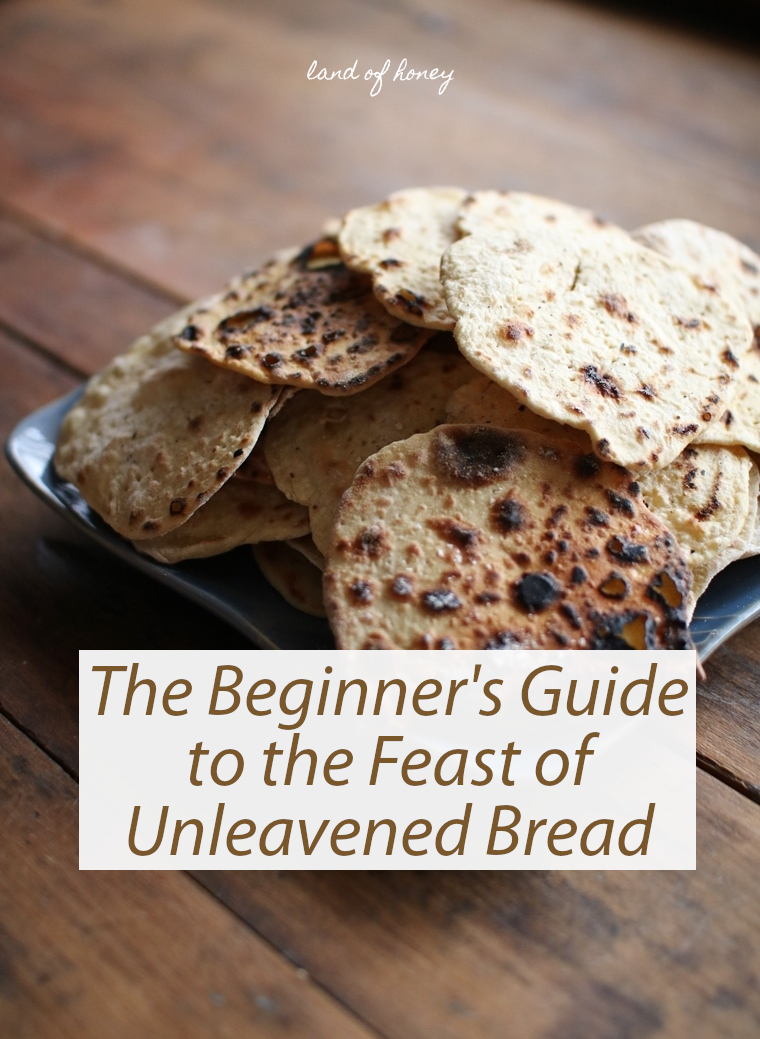
The Beginner's Guide to the Feast of Unleavened Bread

The Beginner's Guide to the Feast of Unleavened Bread - what you need to know and how to celebrate this Biblical holiday | Land of Honey


You can take part in and celebrate the Creator's set apart time of the Feast of Unleavened Bread...even if you never have before! The Biblical holidays were given to all believers, and they are a joy to take part in. Here's how to get started.

What you need to know about the Feast of Unleavened Bread:

-It is seven days long and starts immediately after Passover.

-The first and last days are considered Sabbaths and we are not to work on them.

-During this time we are not to eat regular leavened bread or have it in our homes.

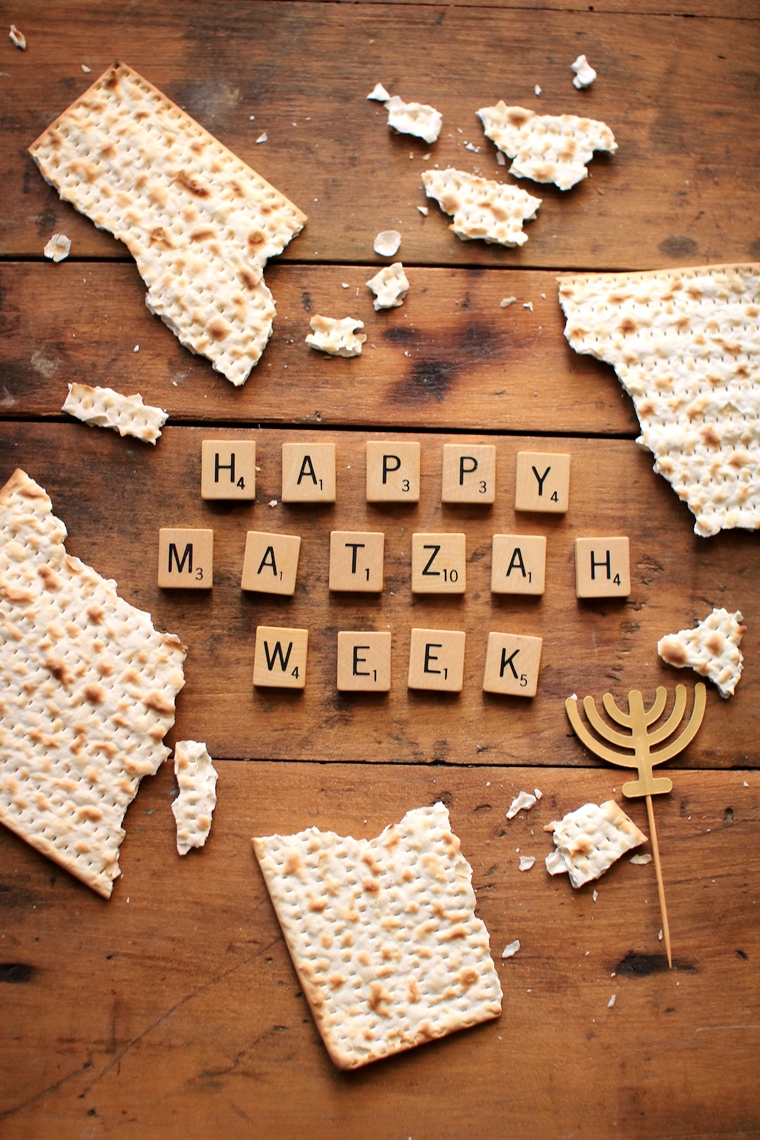
-The Hebrew word for unleavened bread is matzah, and these terms are used interchangeably. The Feast of Unleavened Bread is also called Matzah Week or the Feast of Matzah.

-You can have flour, etc. in your home as long as you are not leavening it. I don't get rid of my flour because I use it throughout the week of Unleavened Bread to make unleavened bread. Of course, it would not be appropriate to make leavened bread with it.

-It is a time for feasting, rejoicing, worship, and celebration.

The Beginner's Guide to the Feast of Unleavened Bread - what you need to know and how to celebrate this Biblical holiday | Land of Honey


Spiritual significance of the Feast of Unleavened Bread:

-Matzah Week is when the Israelites hit the road when they fled Egyptian slavery. That YHWH freed his people from slavery is worth remembering and celebrating! During the Feast of Unleavened Bread in Exodus, his people were in that in between place of leaving Egypt, yet not yet entering into the fullness of his promises.

-The bread they ate was unleavened because YHWH changed their circumstances so quickly that they didn't even have time to let their bread rise. No matter how hopeless a situation in our lives may seem, our God can turn that around.

-The Messiah rose from the dead during Unleavened Bread!

-The principle of leaven is very powerful. If you've made bread using sourdough starter or yeast then you know the small amount of this changes the end product significantly! While it can be easy to think that little things in our life don't matter, they can make a huge difference for good or bad. 

-Leaven is typically seen as sin in the Bible. Like sin, leaven shows up in more places than we would expect and we are called to make an effort to avoid it. During this Feast we are to examine ourselves and our lives extra closely and get rid of anything spiritually leavened.

-Unleavened bread is seen as a symbol of the Messiah's physical body. He was sinless (unleavened), and the piercings and dark spots that appear on both homemade and boxed matzah are fitting symbols of him being beaten and bruised for us. Don't forget that Yahusha described himself as the "bread of life." (John 6:35)

Spiritual significance of the Feast of Unleavened Bread for believers in Messiah - beginner's guide to keep the feast | Land of Honey


How to observe the Feast of Unleavened Bread:

-Take a look through your pantry and freezer and take note of what you have that is leavened. This includes things like sandwich bread and frozen pizzas, and also fermented wheat products including soy sauce and beer. Think about storing these things on a certain shelf or area of the pantry so that you can use up anything leavened before the set apart time starts. If you don't have time to use it all then share your bounty with friends, or a food pantry. Burn or throw away the last bits of leavened bread if necessary. 

-As you go through the process of removing leaven from your home, consider how we are called to examine our hearts and actions for spiritual "leaven." Pray and ask YHWH if there is something he would like to clear out of your life as you are cleaning your cupboards of leaven. These questions are a good guide to spiritual preparation for this time.

-Get a recipe to make your own unleavened bread, or order or purchase boxed matzah bread. Boxed matzah is similar to a large cracker, whereas homemade matzah is soft, comparable to naan bread. This is my recipe made with einkorn flour, but you could substitute all purpose or whole wheat flour.

-Think about incorporating matzah into at least one meal a day throughout the week. It's appropriate to eat unleavened bread during the Feast of Unleavened Bread! There are many ways to enjoy matzah. Eat it with sandwich toppings, alongside a bowl of soup or curry, make matzah pizzas, or turn it into matzah toffee! See this post for other ideas for serving unleavened bread.

-Take at least the first and last days of Unleavened Bread off from work, errands, and household chores. If possible, consider taking more time off from work to spend with your family or to make this holiday more special to you. Taking a day trip somewhere during the week can make it fun and memorable - I visited the Ark Encounter during Matzah Week a few years ago!

-Take joy in worshiping YHWH, and studying the Bible. Attend services at a congregation if possible, and watch children's Bible story videos - if you don't have kids do it for fun! 

-Not everything you do has to be 'spiritual' - make the week fun with things you enjoy. Go somewhere beautiful for a hike, play games or do a puzzle with family, make a craft or an omer counter, invite friends over for dinner, make special foods, and take time to relax.

There is some learning curve when you start to observe a new holiday, so give yourself grace about that. It takes time to get used to celebrating the times of the Creator and next year it will seem more natural and be even more fun! The Living God is honored by your efforts to take part in his set apart times!

The Beginner's Guide to Celebrating the Feast of Unleavened Bread | Land of Honey


Other posts about celebrating this holiday:
12 Ways to Celebrate the Feast of Unleavened Bread
My Matzah Week - What Celebrating the Feast of Unleavened Bread Looks Like
Recipes for the Feast of Unleavened Bread

Upcoming Biblical Holiday Dates 2026

Here's When the Biblical Holidays Happen in 2026

This is when the Biblical holidays happen in 2026. If you're looking for this year's dates for Passover, Unleavened Bread, First Fru...